
Seller Guidance

Sell your home
in New York.

Each area we serve has its own housing mix and local character. Explore six county guides, with a local highlight, a sourced housing snapshot, and a practical starting point for your sale.

Ocean shoreline at Jones Beach State Park in Nassau County
Photo: Hans J E · CC BY-SA 2.0 · cropped
Local seller guide · 01

Nassau County

Selling on Long Island starts with a clear view of your own community—not a county-wide average. We help Nassau County homeowners prepare the right details, compare relevant homes, and plan a sale around their next move.

What makes it distinctFrom Jones Beach to village main streets, Nassau’s communities differ in housing style, lot size, and local services.

For sellersPrice against homes in your actual village or neighborhood, and check municipal records before highlighting an addition or permitted use.

81.9%of occupied housing units owner-occupied
U.S. Census Bureau · 2020–2024
Explore Nassau County guide
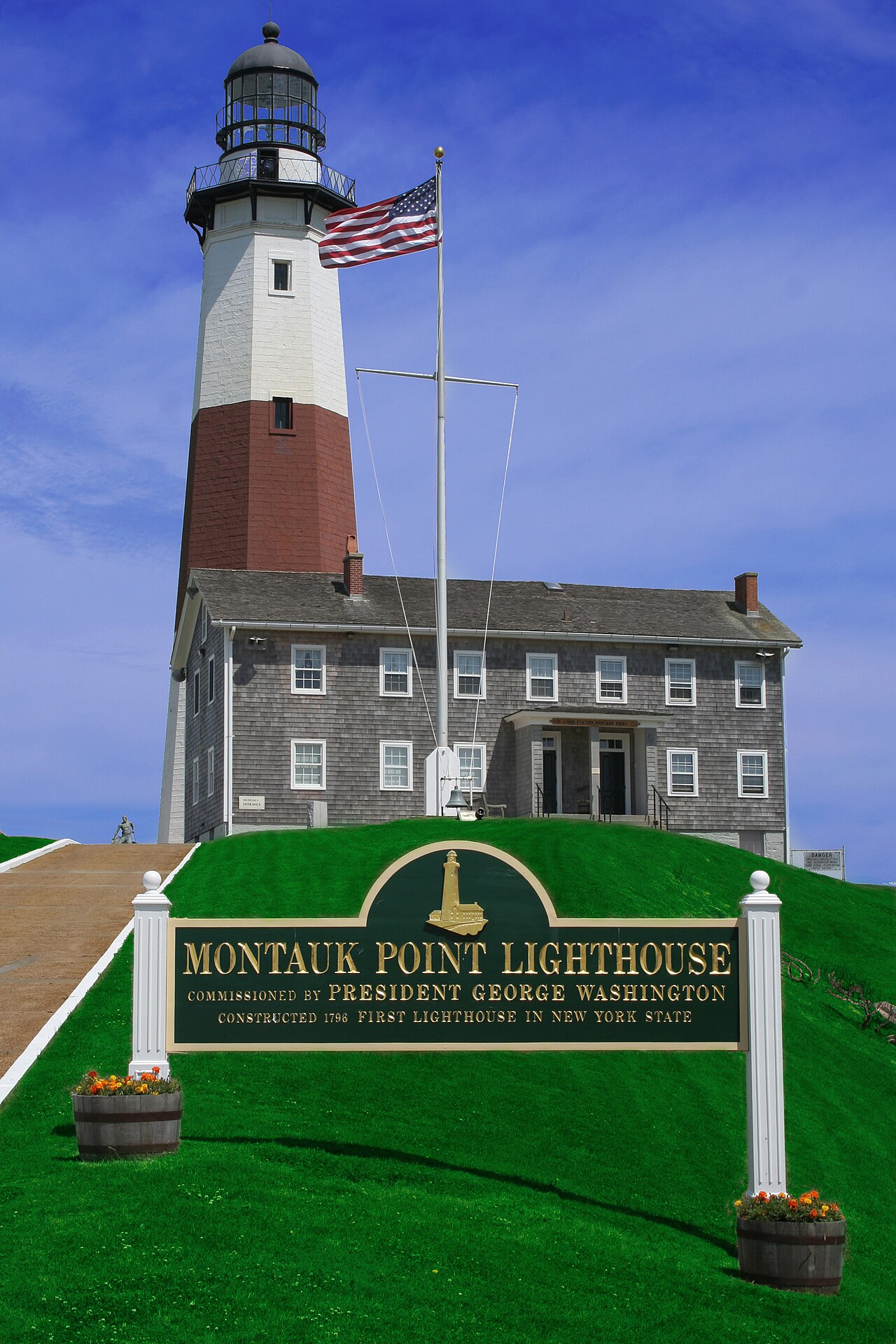
Montauk Point Lighthouse in Suffolk County
Photo: Kevin Pepin · Public domain · cropped
Local seller guide · 02

Suffolk County

Suffolk County contains many distinct communities and property types. A useful home-selling plan starts with nearby evidence, accurate property information, and your own timeline rather than a single Long Island headline.

What makes it distinctSuffolk stretches across a wide range of Long Island communities, from established town centers to the Montauk shoreline.

For sellersA county-wide average cannot replace comparisons with nearby homes of the same type, condition, and location.

82.2%of occupied housing units owner-occupied
U.S. Census Bureau · 2020–2024
Explore Suffolk County guide
The Unisphere at Flushing Meadows–Corona Park in Queens
Photo: Beyond My Ken · CC BY-SA 4.0 · cropped
Local seller guide · 03

Queens

Queens is a collection of neighborhoods, not a single comparable-sales market. Selling a home here calls for neighborhood-specific research, a clear description of the property, and a plan matched to the buyers most likely to consider it.

What makes it distinctQueens is known for its many languages and food traditions. Flushing Meadows–Corona Park’s Unisphere recalls the borough’s World’s Fair history.

For sellersBuyers in Astoria, Flushing, and other neighborhoods may compare different property types and monthly costs; lead with the details relevant to yours.

44.9%of occupied housing units owner-occupied
U.S. Census Bureau · 2020–2024
Explore Queens guide
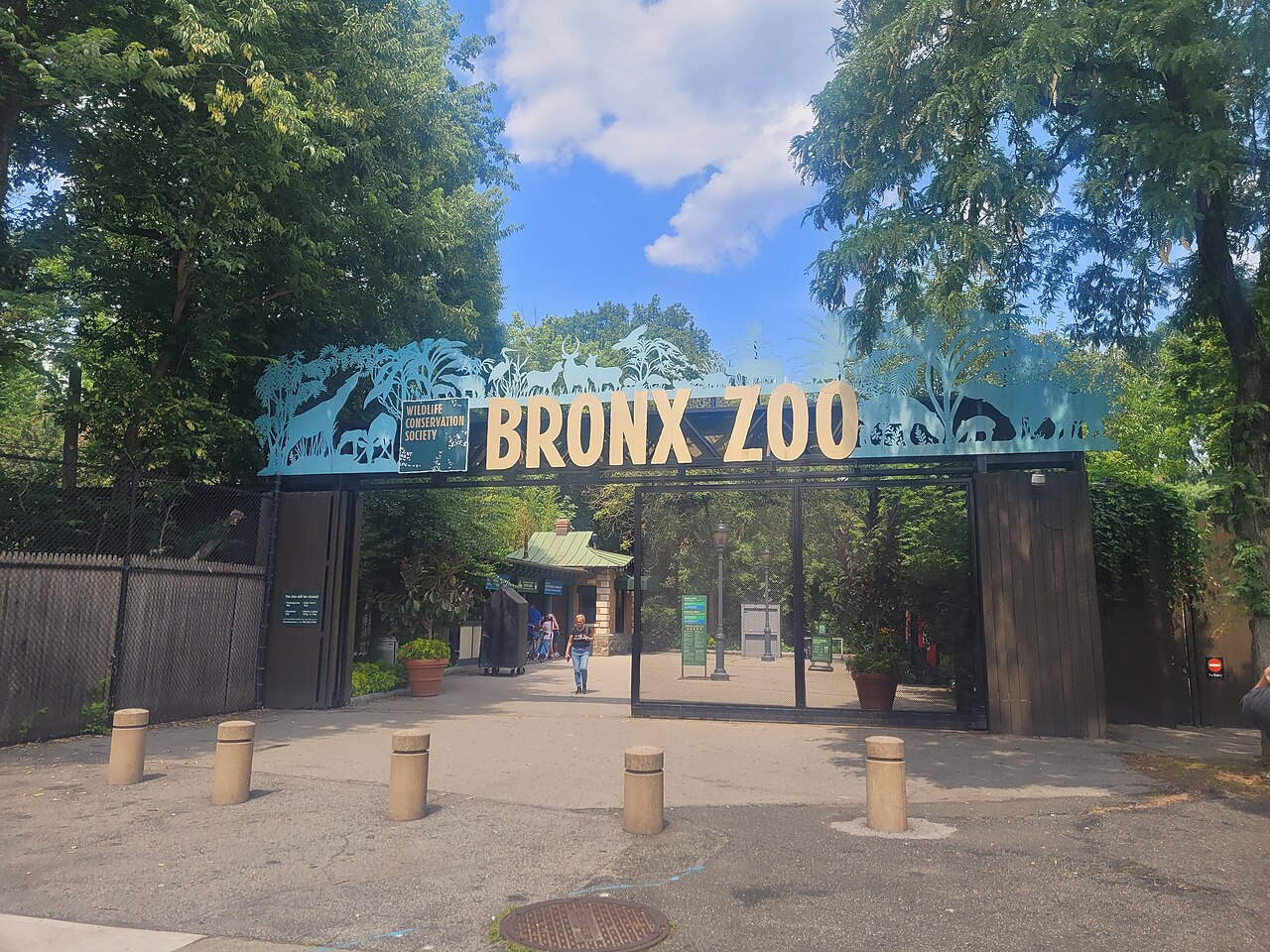
Entrance to the Bronx Zoo
Photo: SnowFire · CC BY 4.0 · cropped
Local seller guide · 04

Bronx

A sale in the Bronx should reflect the property and the neighborhood, not a borough-wide estimate. Whether you own a co-op, condo, or house, start with comparable homes, clear ownership details, and a plan for the questions buyers will ask.

What makes it distinctThe Bronx is the birthplace of hip-hop and home to Yankee Stadium, the Bronx Zoo, and the New York Botanical Garden.

For sellersSeparate co-op and condo comparisons from house sales, and verify building rules or the legal unit count before listing.

20.1%of occupied housing units owner-occupied
U.S. Census Bureau · 2020–2024
Explore Bronx guide
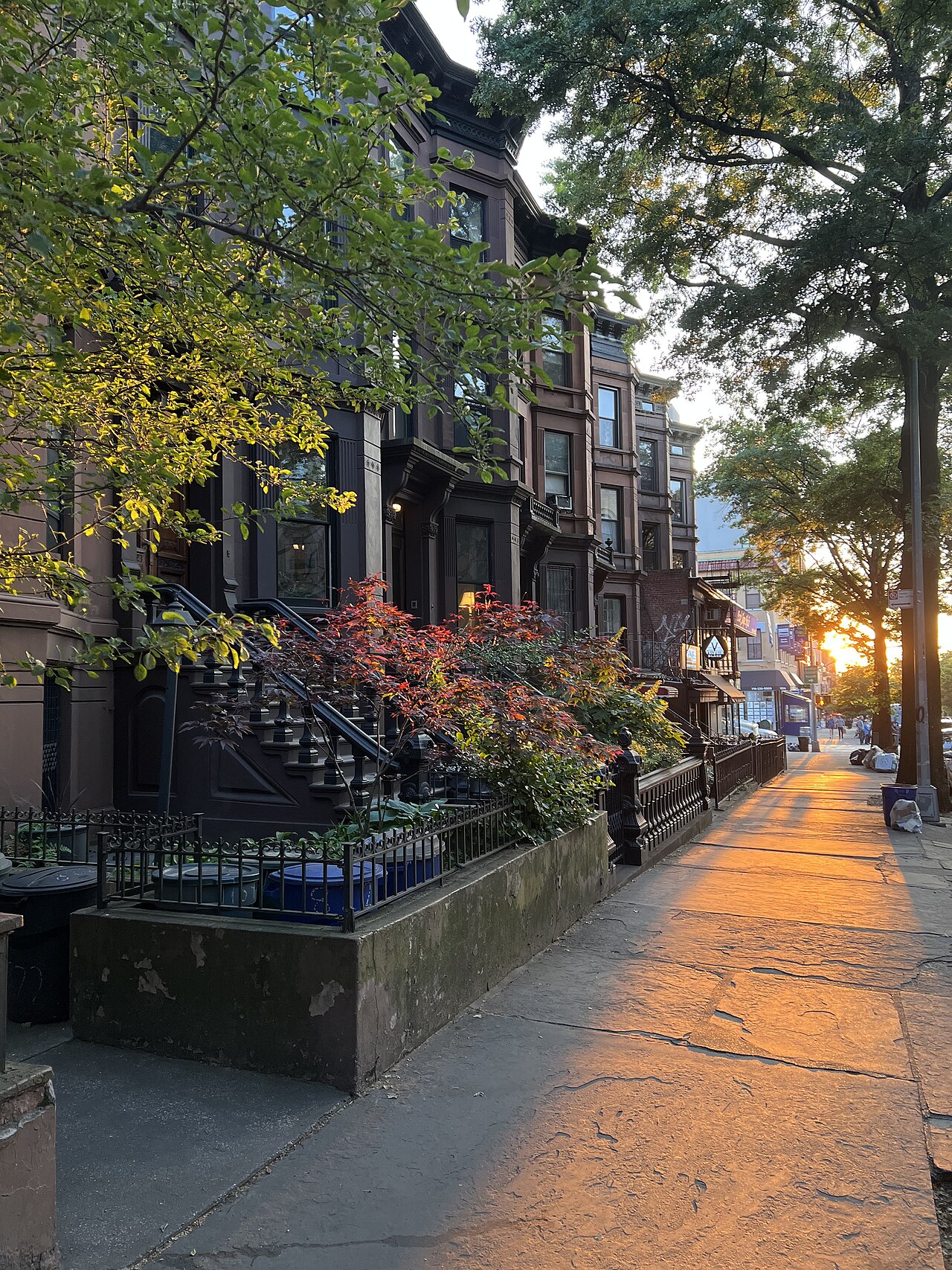
Tree-lined row of brownstones on Union Street in Park Slope, Brooklyn
Photo: CityLimitsJunction · CC0 · cropped
Local seller guide · 05

Brooklyn

Brooklyn sellers need a plan grounded in the property’s actual neighborhood and legal use. Townhouses, co-ops, condos, and multi-unit buildings cannot all be priced or presented the same way.

What makes it distinctBrooklyn pairs historic brownstone blocks with a thriving food and arts scene and neighborhoods with very different housing stock.

For sellersA townhouse, condo, and co-op attract different buyers. Document renovations and legal use, then compare within the right local market.

29.5%of occupied housing units owner-occupied
U.S. Census Bureau · 2020–2024
Explore Brooklyn guide
Boats on the Central Park lake with the Manhattan skyline behind them
Photo: Jakub Hałun · CC BY 4.0 · cropped
Local seller guide · 06

Manhattan

Selling in Manhattan calls for close attention to building rules, carrying costs, and the right comparable sales. A co-op, condo, and townhouse each follow a different process and appeal to different buyers.

What makes it distinctManhattan’s skyline, Broadway, and Central Park are global landmarks, but its residential buildings each have their own rules.

For sellersFor co-ops and condos, prepare building documents, monthly carrying costs, and application requirements alongside your asking-price review.

25.1%of occupied housing units owner-occupied
U.S. Census Bureau · 2020–2024
Explore Manhattan guide

Housing figures describe ownership, not sale prices, current listings, or expected results for an individual home. Source: U.S. Census Bureau QuickFacts, 2020–2024.

Next Steps

Ready to discuss your property?

Connect with our team for a grounded, pressure-free evaluation of your home's position in the current market.

Get your evaluation